
Bridge
Helping people get back to work after using social media through a short intervention.
the Problem
You take a quick break from work, check your phone, and end up doomscrolling for 15 minutes. When you stop, your brain is in a haze. This isn't laziness and it's not your fault. It's a dopamine crash that makes focusing physically impossible.
Bridge is a guided two-minute exercise that walks you back to work through movement and intention.

the context
Social media keeps you scrolling by hijacking your brain's reward system.
Closing social media after doomscrolling leaves your brain in a haze.
Existing solutions don't address what happens after the scroll.
the solution
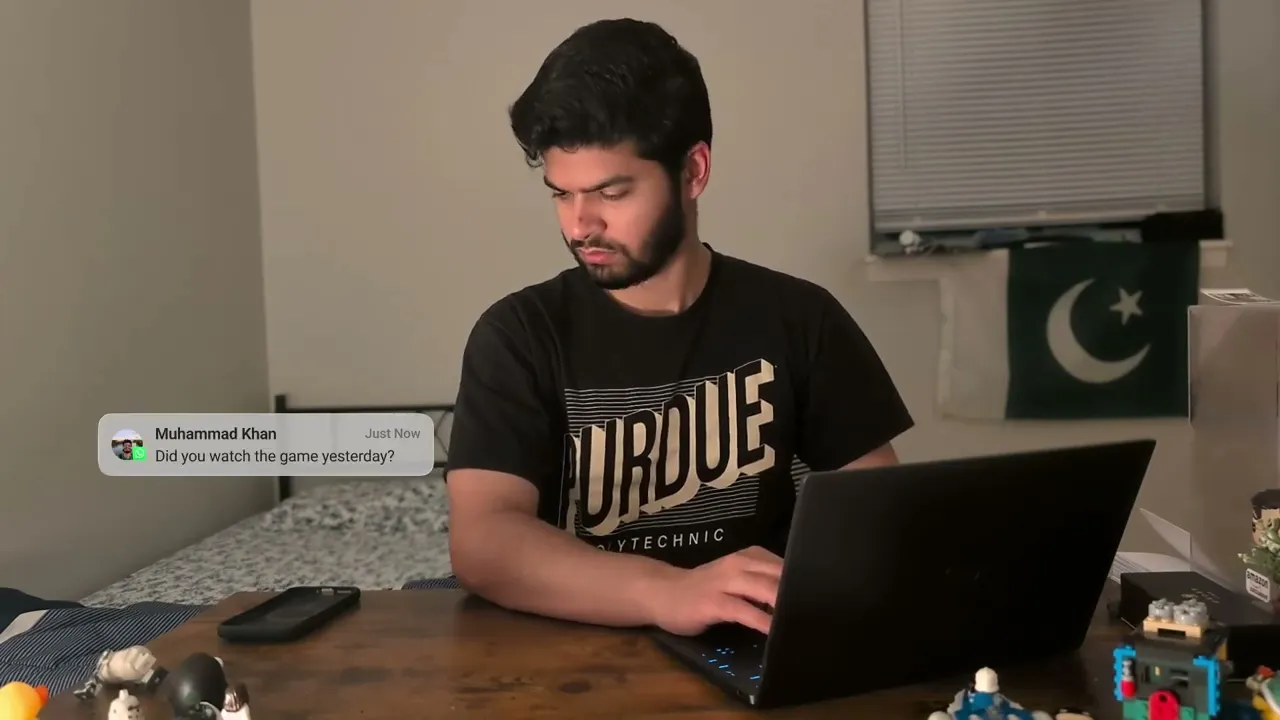
When you close a social media app, you get a notification.
If you choose to open it, the Bridge intervention opens.
The intervention guides you to
Walk around
Speak out loud. What's on your mind?
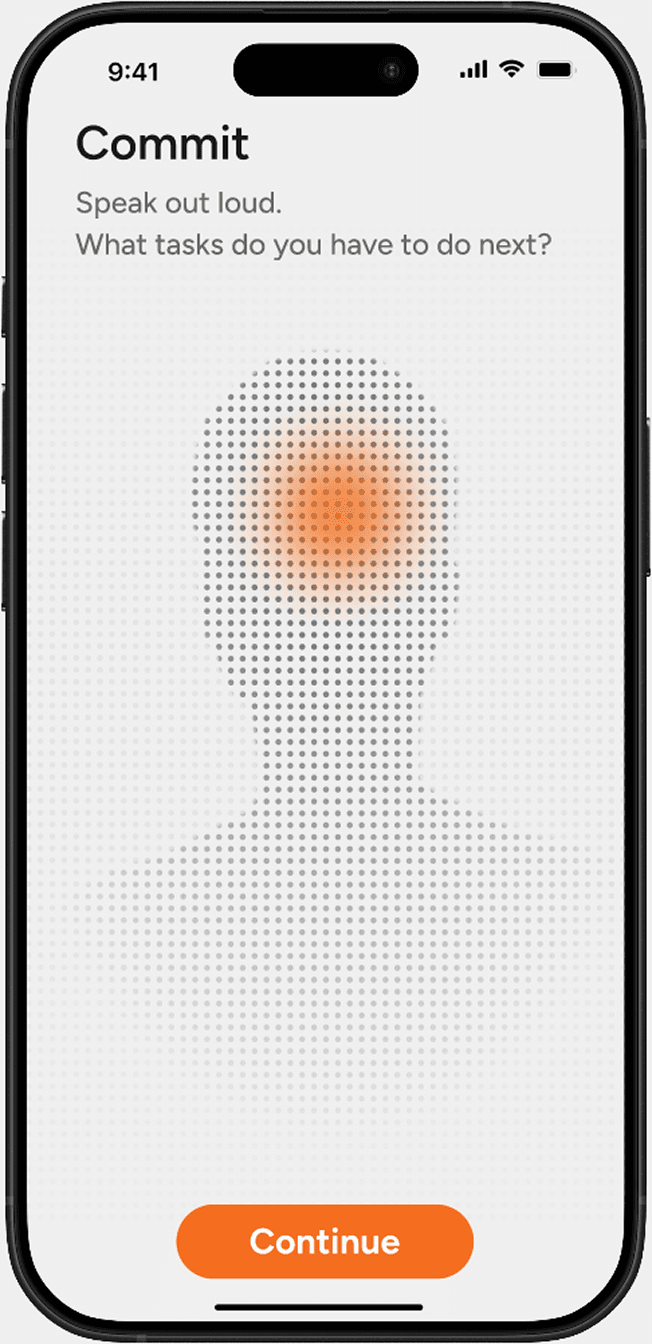
Speak out loud. What tasks do you have to do next?
Why EaCH STEP Should work
Social media keeps you scrolling by hijacking your brain's reward system.
Closing social media after doomscrolling leaves your brain in a haze.
Existing solutions don't address what happens after the scroll.
How I know it works
A multi-day test was advertised through a LinkedIn post. The test proved to be very successful, provided a lot of great results and some great insights.
0%
Net Promoter Score
0/7
average Single Ease Question score
0/5
CSAT Score
"The activity helps, especially when I am vibe coding and then I get distracted and then have to jump back"
"After putting my phone down, I feel like I have a lot of work piled up but the activity made it seem more tackleable"
"Labelling it also helps because it gives you some direction in understanding the problem I am going through"
"Doing this helped me realize that I already do this in a way. This has given structure and helped give it a platform"
High Fidelity Material
What did the app look like?
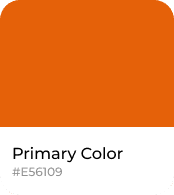
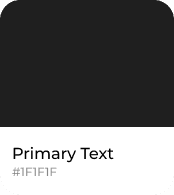
The warm earthy palette and calm typography were chosen to reflect what Bridge is trying to do: slow things down, not speed them up. In a moment of cognitive fog, harsh colors and aggressive UI would only add to the noise. Bridge is designed to feel like a steady hand rather than an alarm.
Every design decision reinforces the same idea — Bridge is a nudge, not a push. The notification does not demand. The interface does not rush. The exercise does not punish you for having scrolled. The product meets you where you are and walks alongside you, rather than pulling you somewhere you are not ready to go.


I explored some other designs before I finalized this one.
What next?
Bridge is continuing beyond the capstone.
The study produced strong enough results to continue development. Three participants explicitly requested to keep using Bridge after the test ended. The next phase involves building a fully native Android application with deeper OS integration, a more polished exercise flow using Rive animations, and a larger scale study. Most digital wellness tools are built around prevention. Bridge is the only one built around recovery.
Made with Framer, Rive, and a lot of Jolly Ranchers
© 2026 - Mustafa Arshad
Bridge
Helping people get back to work after using social media through a short intervention.
the Problem
You take a quick break from work, check your phone, and end up doomscrolling for 15 minutes. When you stop, your brain is in a haze. This isn't laziness and it's not your fault. It's a dopamine crash that makes focusing physically impossible.
Bridge is a guided two-minute exercise that walks you back to work through movement and setting intentions.

The pitch video for Bridge!
the context
Social media keeps you scrolling by hijacking your brain's reward system.
Closing social media after doomscrolling leaves your brain in a haze.
Existing solutions don't address what happens after the scroll.
the solution
When you close a social media app, you get a notification.
If you choose to open it, the Bridge intervention opens.
When you close a social media app, you get a notification.
If you choose to open it, the Bridge intervention opens.
The intervention guides you to
Walk around
Speak out loud. What's on your mind?
Speak out loud. What tasks do you have to do next?
The intervention guides you to
Walk around
Speak out loud. What's on your mind?
Speak out loud.
What tasks do you have to do next?
Why EaCH STEP Should work
Moving your body pulls your brain out of the haze
Naming what you feel turns down the noise.
Planning out your tasks makes starting easier.
when do users get the notification?
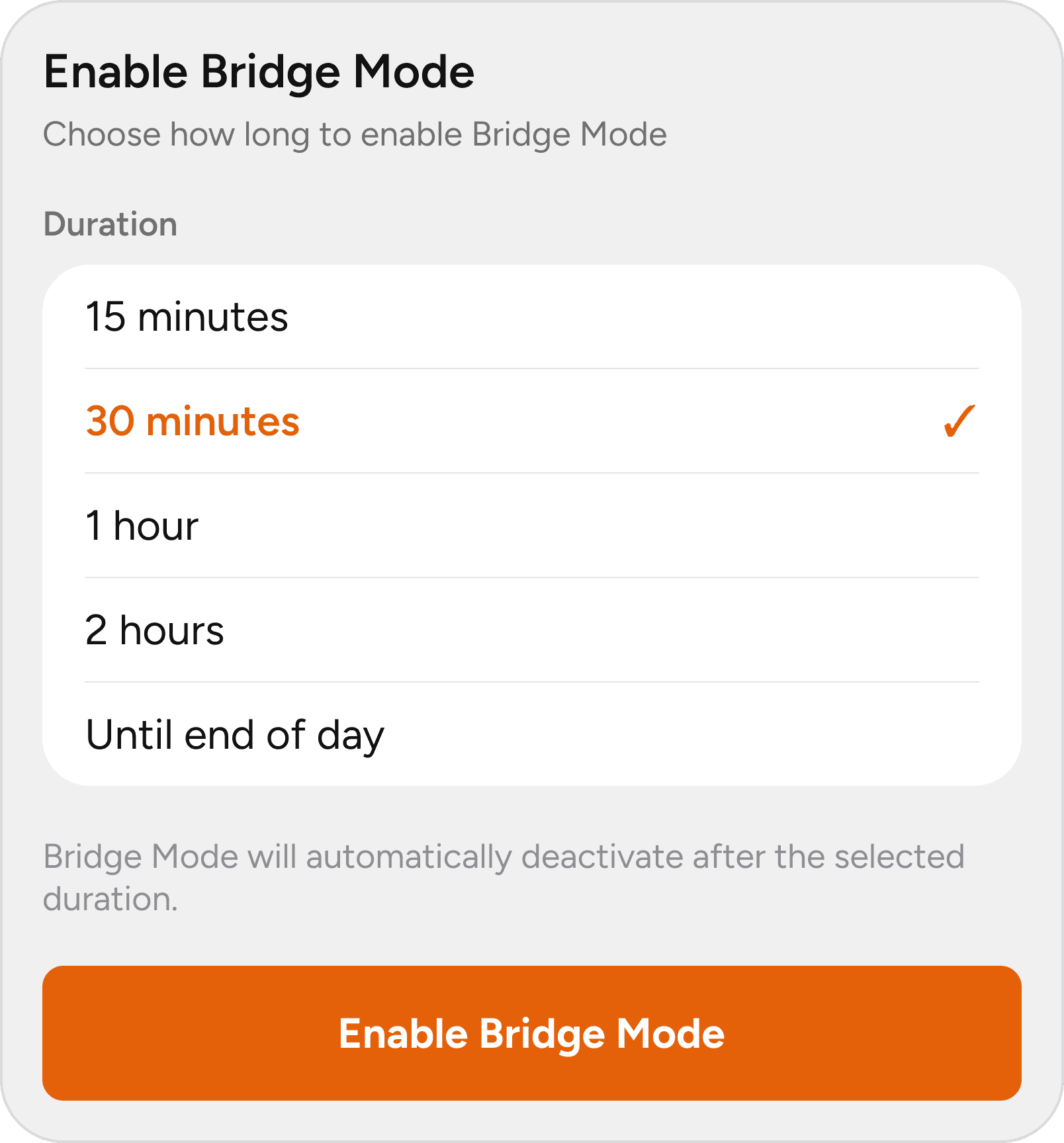
If Bridge is enabled, whenever a trigger app is closed, the Bridge notification pops up. Bridge can be enabled in three ways:
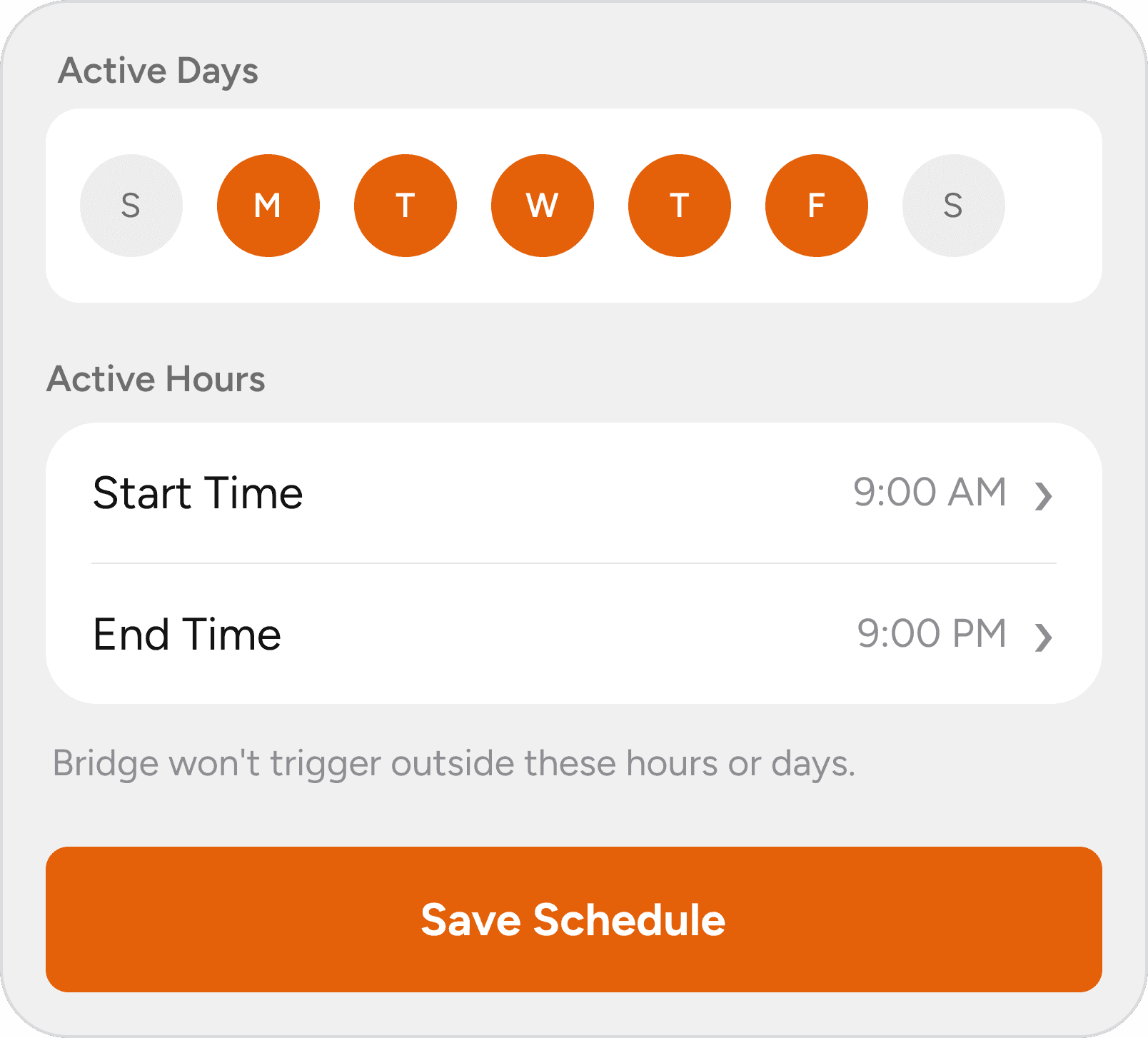
Schedule Based
Active during the hours and days you choose.

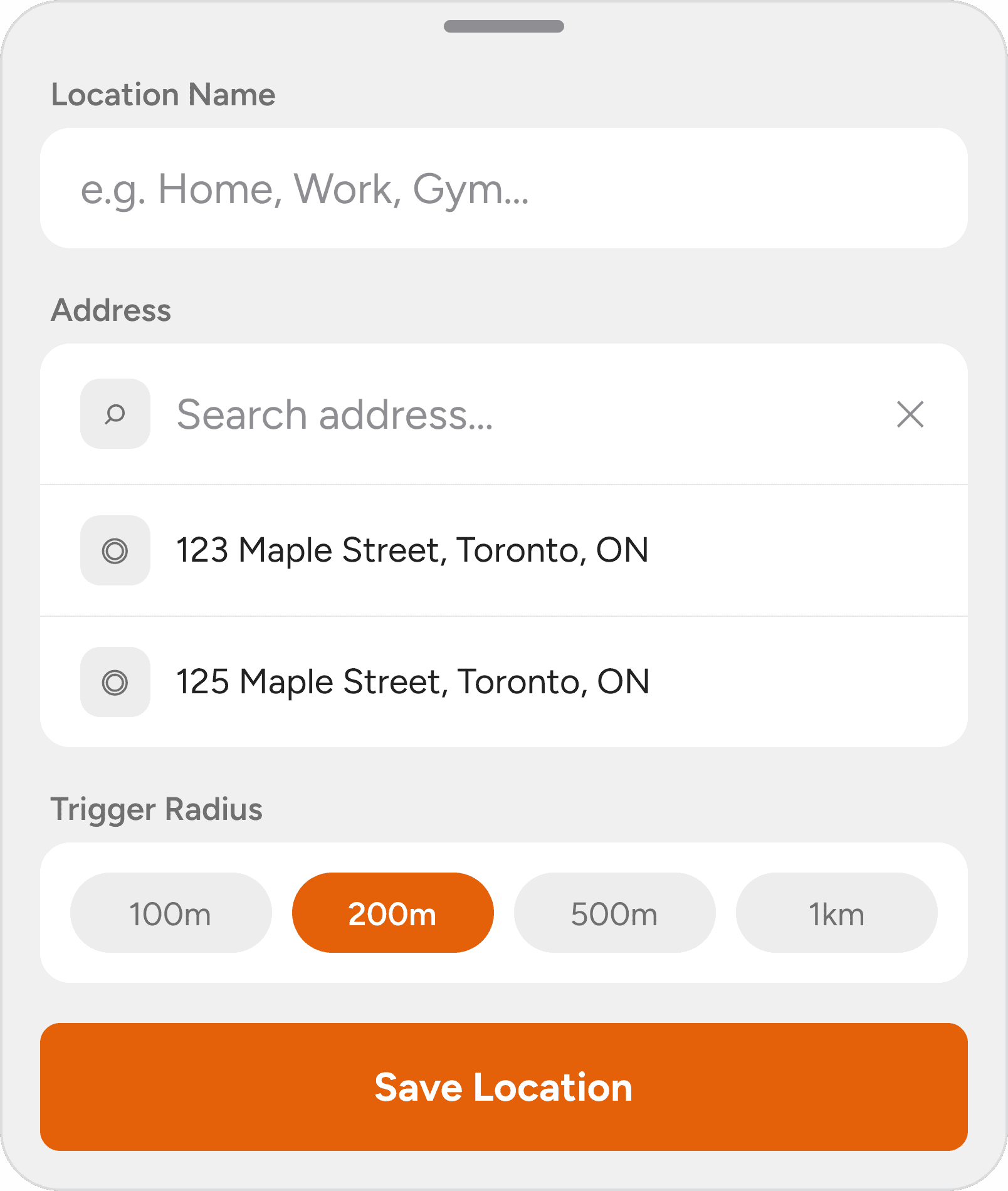
Location Based
Activates when you arrive at a saved location.

Manual
Activates for a set time that you choose.
Design Decisions
Trigger Apps
Choose which apps trigger the intervention when closed.
Home Screen
Check whether Bridge is active, enable it, or use the intervention.
How I know it works
A multi-day test was advertised through a LinkedIn post. Participants were given a basic prototype and asked to fill in a quick form everyday asking about their usage. At the end, participants were asked to give feedback and some numbers.
The test proved to be very successful, provided a lot of great results and some great insights.
0%
0%
Net Promoter Score
0/7
0/7
average Single Ease Question score
0/5
0/5
CSAT Score
The intervention was most effective for people who had already tried to fix the problem
People used it in situations beyond what it was designed for
Friction at the moment of need is the core design problem.
The one quote that validated everything
"It's just a tap. That's why it's tolerable. If it was anything more than a couple of taps I'd have deleted it"
A crucial part of the work was keeping friction as low as possible. Although this quote from one of the testers seems negative, it proves that the friction and nudge was as small as possible. It achieved the right balance of enough of a nudge to be effective while not pushy enough to be frustrating.
Other quotes from testers are as follows:
"The activity helps, especially when I am vibe coding and then I get distracted and then have to jump back"
"After putting my phone down, I feel like I have a lot of work piled up but the activity made it seem more tackleable"
"Labelling it also helps because it gives you some direction in understanding the problem I am going through"
"Doing this helped me realize that I already do this in a way. This has given structure and helped give it a platform"
Design Decisions
What does the app look feel like?
The warm earthy palette and calm typography were chosen to reflect what Bridge is trying to do: slow things down, not speed them up. In a moment of cognitive fog, harsh colors and aggressive UI would only add to the noise. Bridge is designed to feel like a steady hand rather than an alarm.
Bridge is a nudge, not a push.
Every design decision reinforces the idea above. The notification does not demand. The interface does not rush. The exercise does not punish you for having scrolled. The product meets you where you are and walks alongside you, rather than pulling you somewhere you are not ready to go.


The dots add structure. The pulse adds life.
The dots add structure.
The pulse adds life.
I explored some other designs before I finalized this one.
Whats next?
Bridge is continuing beyond the capstone.
The study produced strong enough results to continue development. Three participants explicitly requested to keep using Bridge after the test ended. The next phase involves building a fully native Android application with deeper OS integration, a more polished exercise flow using Rive animations, and a larger scale study. Most digital wellness tools are built around prevention. Bridge is the only one built around recovery.
How does this shape my future work?
Go extremely deep into the problem.
Prototype early, prototype fast.
Test early. You might be surprised.
Don't be afraid to put your work out into the world.
More Projects
I explored some other designs before I finalized this one.
Made with Framer, Rive, and a lot of Jolly Ranchers
© 2026 - Mustafa Arshad